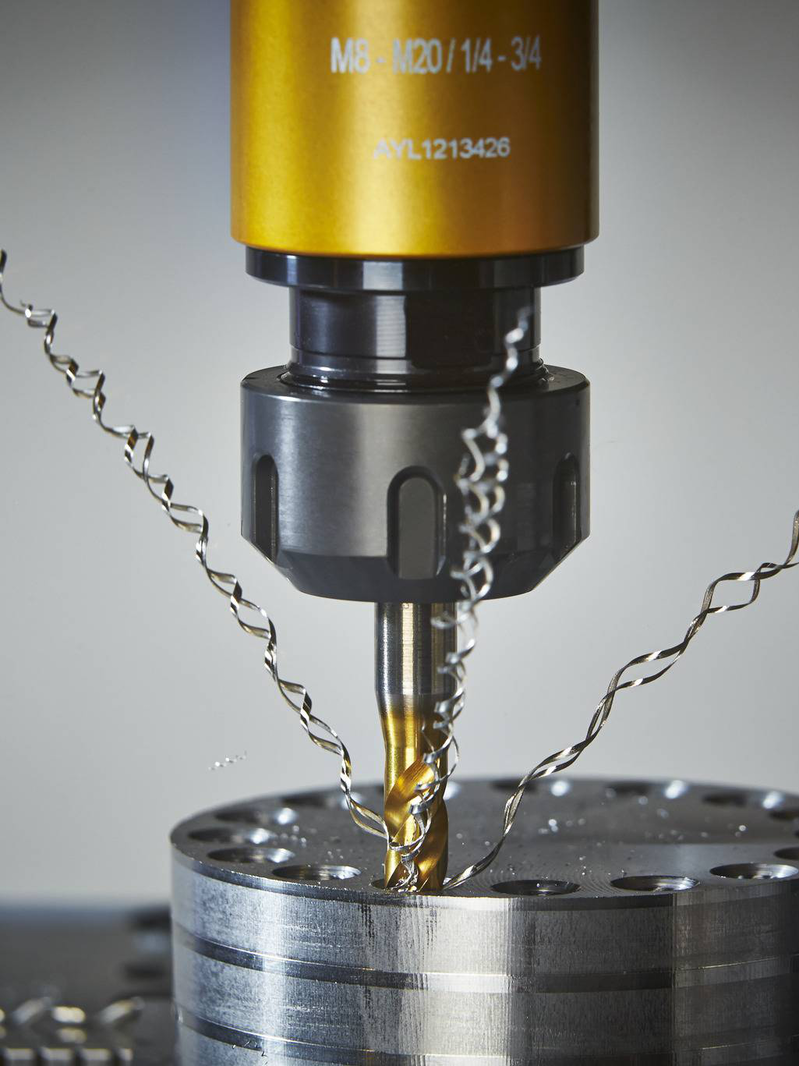
Drilling and tapping: A material-driven strategy
Learn how to optimize drilling and tapping by tailoring tool selection and strategies for hardness, ductility, and thermal conductivityEvery job comes with its own variables. From drilling soft aluminum to tapping hardened steel, success depends on understanding material properties, choosing the right tools, and optimizing parameters.
Seco Tools’ Ricky Payling, Global Product Manager, Solid Round Tools, Drilling, and Radoslaw Zdanowski, Global Product Manager, Tapping, explain why it is crucial to understand and harness the various nuances of individual materials before machining begins.
Keeping your materials’ properties in mind
The first step in any threading operation is understanding the material to be machined. The physical properties of the material, whether it be hardness, strength, ductility, brittleness, thermal conductivity and abrasiveness, directly influence tool selection and performance.
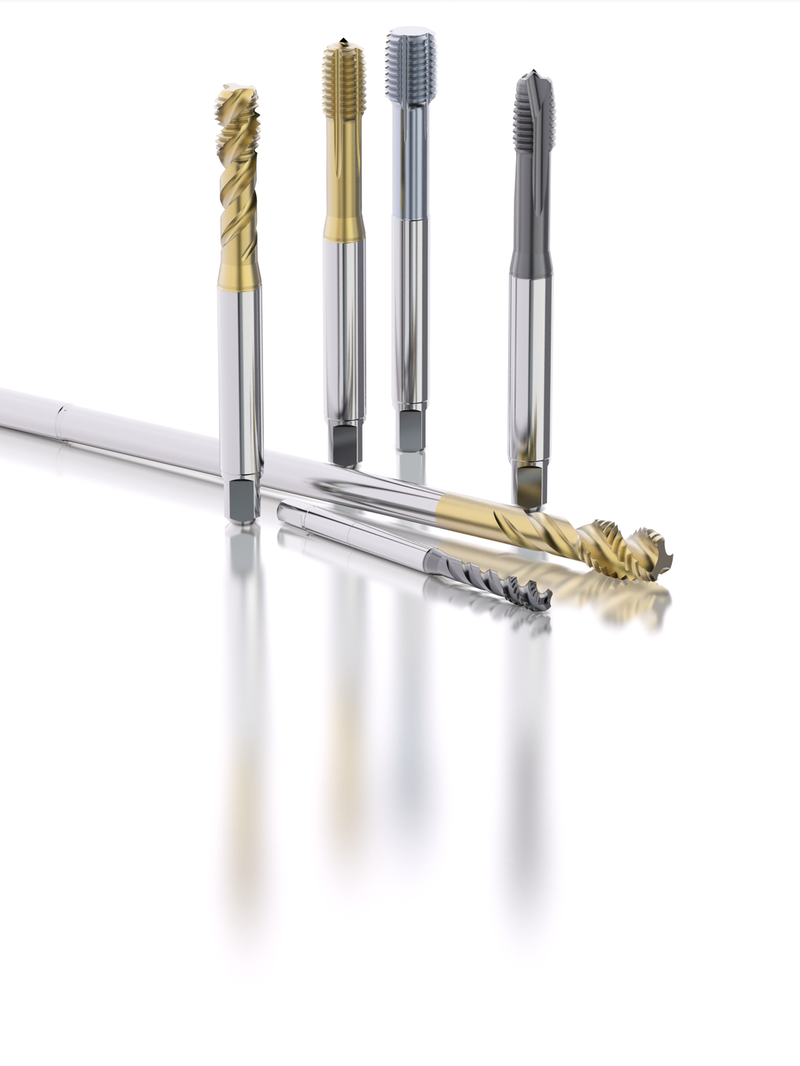
“When we’re trying to choose the right tap based on the hardness or strength, we need to consider the material used in the production of a tap,” says Zdanowski. For softer steels, taps made from cobalt high-speed steel (HSS-E) are suitable, whereas for stronger steels, Zdanowski recommends powder metallurgy taps, which offer enhanced hardness and wear resistance.
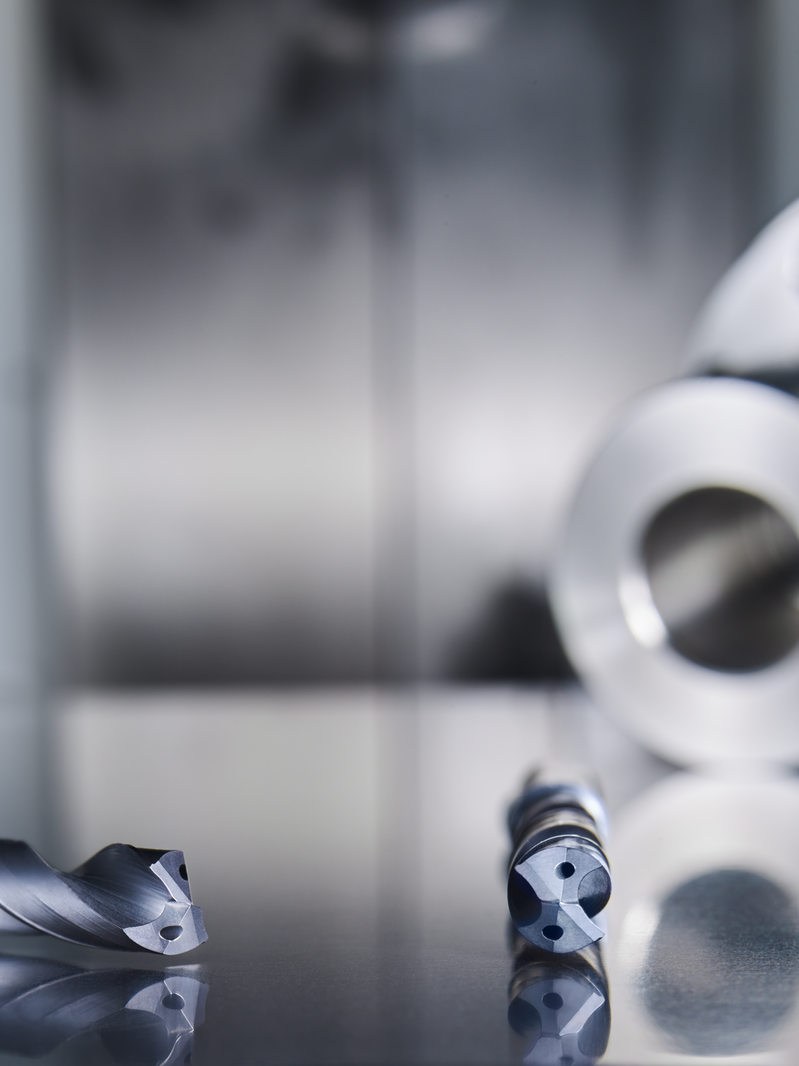
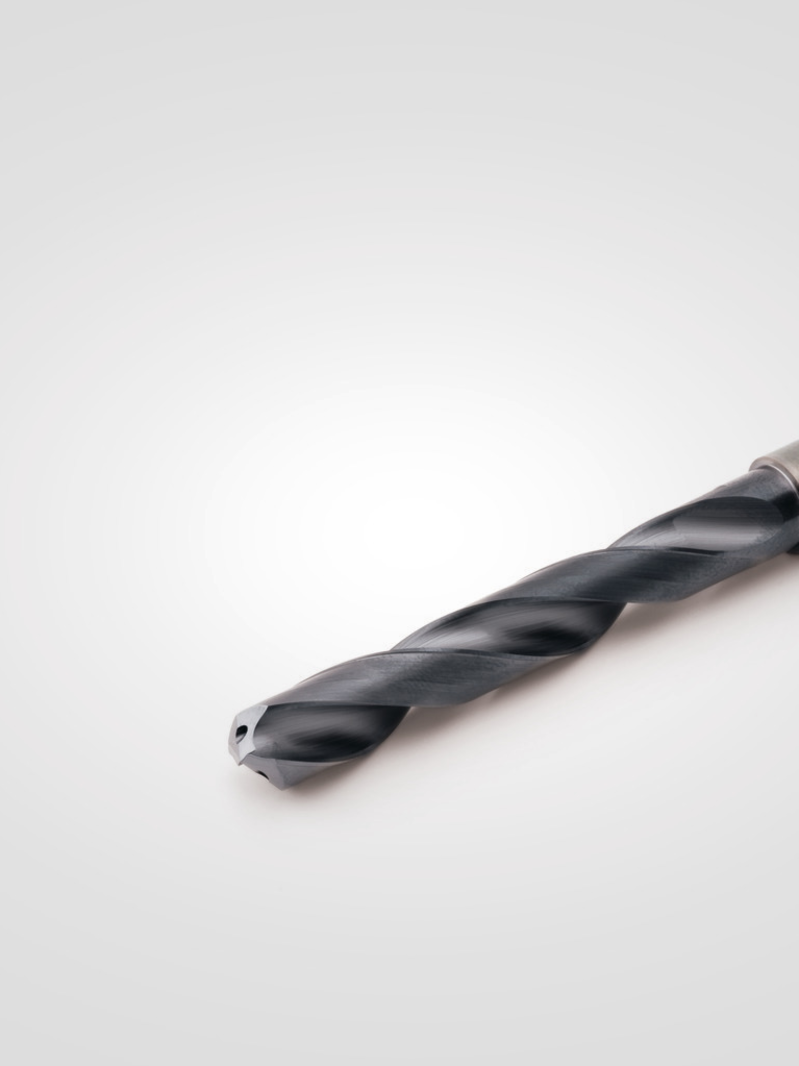
It is a similar scenario with drilling operations. “Most machining is done before hardening,” says Payling. “People don’t tend to try and drill really high-end hardened steels, which sets a practical limit on what can be drilled or tapped.” For these applications, Seco’s Feedmax solid carbide drills are suitable. The drills feature advanced geometries and high-performance coatings like TiAlN that provide exceptional wear resistance and thermal stability, especially in cast iron and heat-treated steels.

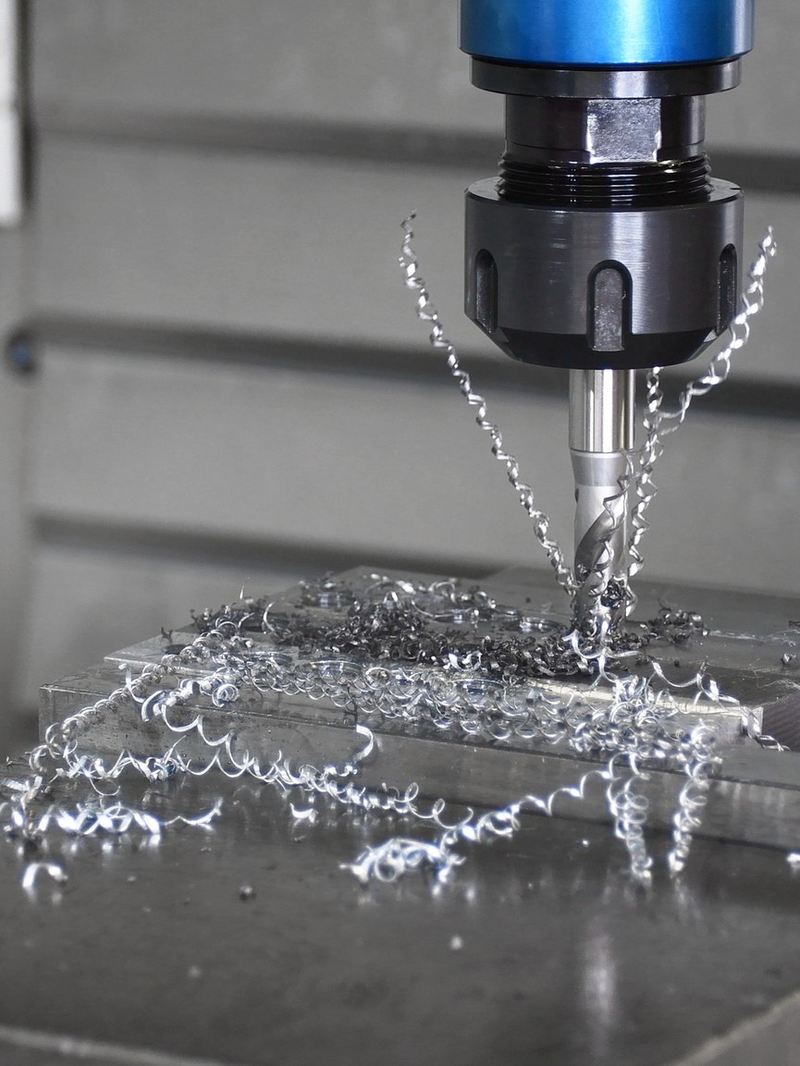
Soft and ductile materials, while seemingly straightforward to machine, can pose unexpected challenges, says Payling. “People imagine that soft materials are easy to machine, and it can be quite the opposite. One problem is that ductile materials tend to produce long, stringy chips that wrap around the tool, starving the cutting edge of coolant and causing complications.” Carbide drills with internal coolant channels are specially designed to handle this issue.
For tapping, T35-N taps with polished flute surfaces and a large space for chips offer reliable performance in soft aluminium, while the T34 tap features a dual-layer coating with a thermal barrier TiAlN base and a carbon friction-reducing top layer to minimize heat buildup on cutting edges which is a common issue when machining soft materials.

Brittle materials, such as cast iron and silicon alloys, pose different problems, because they tend to “flake away”, which can result in poor hole and thread quality. And because their abrasive nature accelerates tool wear, getting the coating selection right is crucial, Payling says. For such applications, Seco Feedmax and Universal drills with ceramic coatings are suitable options, while for tapping, using taps with optimized flute geometries to manage chip flow and prevent tool damage is recommended.
Thermal conductivity is another key factor that affects tool life. Materials with low thermal conductivity, such as stainless steel, titanium and nickel alloys retain heat in the cutting zone, which can drastically reduce tool longevity. “Rather than the heat disappearing into the material itself, it remains in the tool instead,” explains Payling.
One solution here is ceramic-coated drills and taps that act as thermal barriers. Zdanowski notes that reducing the contact area between the tool and material – like using taps with large clearance angles, such as ISO-S geometries – is crucial to reduce friction and heat buildup.

For tapping heat-resistant materials, taps are designed to minimize contact and optimize performance. Limiting cutting speeds and using dedicated tools tailored to the material’s properties are essential here. Drills with high-pressure coolant feed systems and advanced coatings are ideal, especially for maximizing tool life.
Whatever the material type, chip formation is an issue that has to be delicately managed. “Long chips from ductile materials require sufficient flute space for evacuation. We need to have enough space for them in a flute,” Payling emphasizes. Seco’s drills and taps that balance strength, chip evacuation and wear resistance are designed with this in mind. As material hardness increases, chip behavior changes, requiring adaptive tool geometries that can handle changing demands.
The suitable strategy approach
Once the properties of the material have been taken into account, Seco’s range of drilling and tapping solutions can help machinists to optimize performance and employ material-specific strategies.
For example, for steel and stainless-steel threading jobs, solid carbide drills are preferred for high-performance applications. “We concentrate on solid carbide drills for the higher end machining applications,” says Payling, adding that exchangeable carbide tip drills, like Crownloc and the new X-Tip Drill, offer customers flexibility and cost-efficiency, while ceramic coatings also enhance wear resistance.
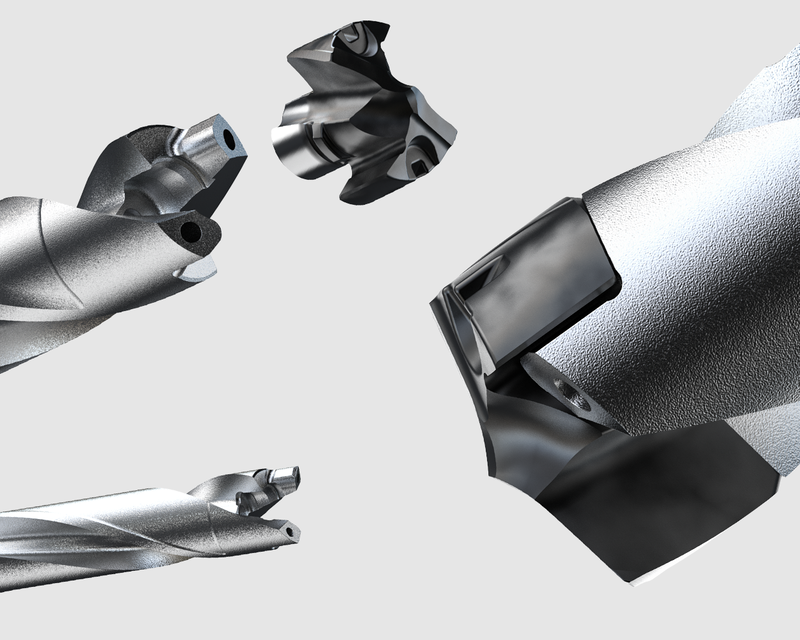
In the case of aluminum and non-ferrous metals, carbide drills with optimized flute geometry and internal coolant systems are recommended for high-volume production. Thread forming is especially effective in aluminum due to its ductility, as it eliminates chip-related issues and enables deeper threads. The general rule to assess whether thread forming is viable, is the material’s elongation value – which should exceed five per cent.
Plastics and composites meanwhile – often used in aerospace sector jobs –demand sharp-edged carbide drills to prevent melting and delamination. “The main issue with plastics is heat generation so keeping the temperature low is crucial and geometries need to be very sharp,” says Payling. Similarly, delamination is a problem with composites. “A strategy here is to do it dry, with air blast, or something really cold to keep it cool. Generally, you have to use neutral or negative geometries”, he adds.
To explore how versatile tooling strategies empower machine shops in general engineering, aerospace, and automotive to stay agile without compromising precision or performance, download the whitepaper for in-depth insights.
Check our latest whitepaper about versatile tools for efficient machining
Consult the experts
Cutting data and application variables also play a crucial role. While Seco provides recommended cutting speeds and feeds, real-world conditions often require adjustments. “We have general recommended cutting data for all our drills depending on material and geometry, but really it’s just a guide,” says Payling. “Variables such as machine type, tool holder, coolant feed and component clamping can all influence performance and change the recommendation. That’s when the art comes in, and you have to alter and tailor things to suit the application.”
Seco Tools offers a robust, versatile suite of drilling and tapping solutions tailored to the specific demands of each material and each individual job. But only by adopting a holistic approach, understanding the interplay between material properties and tool capabilities, and selecting the right tools for the job, can machinists achieve superior results every time.
In the kind of sectors in which Seco tooling excels, small margins can make all the difference, Payling emphasizes, “Tools are expensive. We can help customers ensure that they give themselves a good chance of not throwing money away by using them in the wrong way.”